
chipped tooth from a weekend accident, or swelling that shows up out of nowhere on a Sunday night. Dental problems rarely schedule themselves around convenient hours, and when something goes wrong, most people aren’t sure whether it actually counts as an emergency or if it can wait until Monday.
This post breaks down how to tell the difference, what to do in the moments right after something happens, and when it’s genuinely time to make a call rather than wait it out.
Not Every Dental Issue Is an Emergency. Here’s How to Tell
Some dental problems are uncomfortable but can reasonably wait a day or two for a regular appointment. Others need attention much sooner, because delaying treatment can make the outcome worse or allow an infection to spread.
Here’s a general way to sort the two apart:
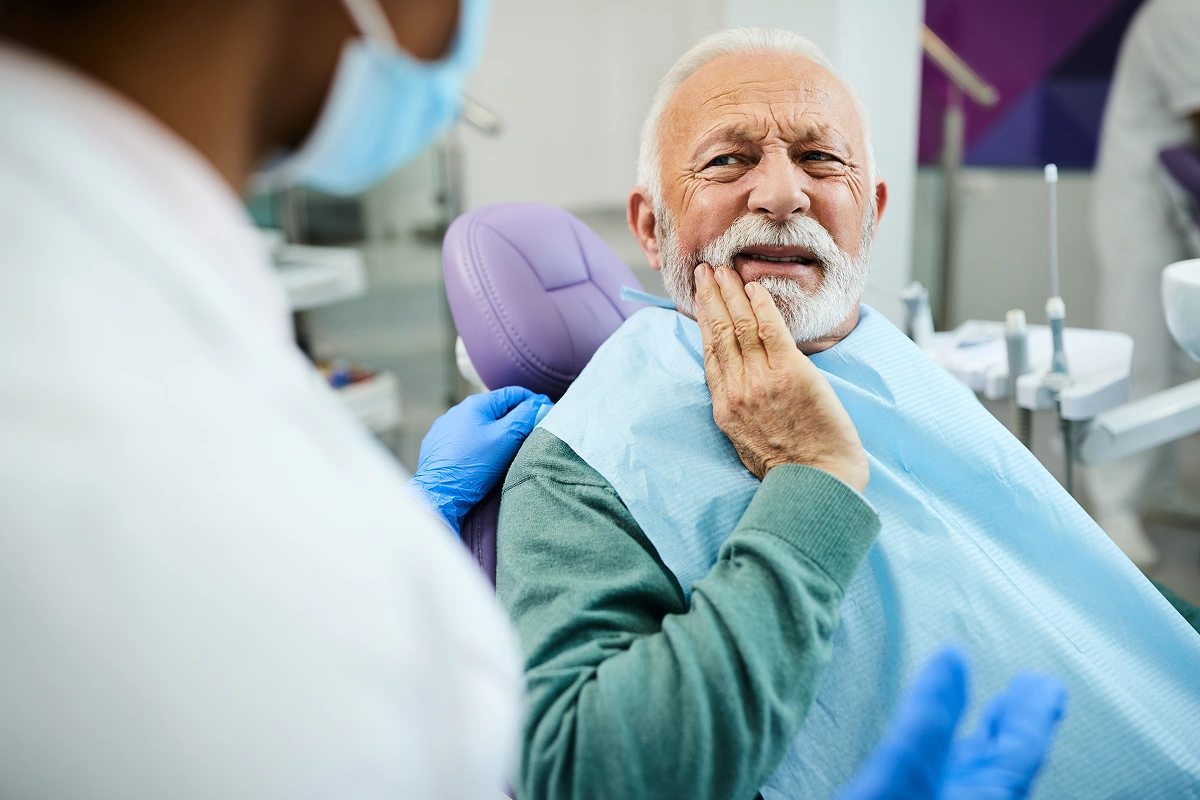
- Likely needs urgent attention: Severe, unrelenting pain; visible swelling in the face or gums; a tooth that’s been knocked out or is significantly loose after an injury; ongoing bleeding that won’t stop with pressure; a broken tooth with sharp edges or visible nerve exposure.
- Can usually wait for a regular appointment: Mild, intermittent sensitivity; a small chip with no pain; a lost filling with no discomfort; minor gum irritation.
If you’re ever unsure which category something falls into, it’s generally safer to call and describe what’s happening rather than guess. A quick phone conversation can usually clarify whether same-day care is needed.
What to Do Right After Something Happens
The first few minutes after a dental injury can actually influence how well things heal. Here’s what’s generally recommended, depending on the situation:
- For a knocked-out tooth: Handle it by the crown, not the root. Rinse gently if dirty, and try to place it back in the socket if possible. If not, keep it in milk or saliva and get to a dentist as quickly as possible — ideally within an hour.
- For a cracked or broken tooth: Rinse your mouth with warm water and apply a cold compress to reduce swelling. Save any broken pieces if you can.
- For severe pain: Rinse with warm salt water and take an over-the-counter pain reliever if needed, but avoid placing aspirin directly on the gum tissue, which can irritate.
- For a lost filling or crown: Keep the area clean and avoid chewing on that side until you’re seen.
- For facial swelling: Apply a cold compress and contact a dentist promptly, since swelling can sometimes indicate an infection that needs timely treatment.
Why Quick Action Actually Matters
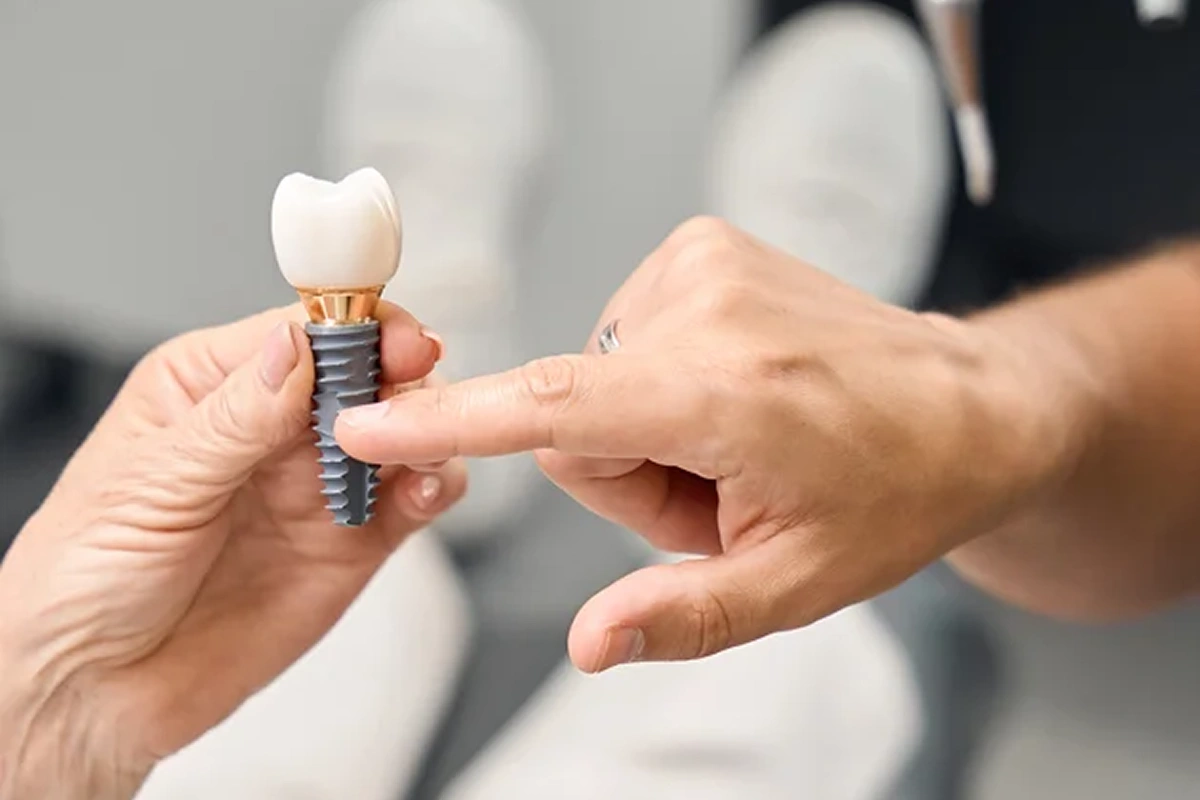
Delaying treatment on a genuine emergency doesn’t just mean living with discomfort longer — it can change the outcome entirely. A knocked-out tooth, for example, has a much better chance of being successfully replanted if it’s addressed within the first hour or so. Left too long, that window closes, and replacement options like an implant may become the only path forward.
Infections work similarly. What starts as localized swelling can spread if left untreated, sometimes turning into something far more serious than the original issue. This is part of why finding an emergency dentist Edinburg residents can reach matters quickly — having somewhere to turn when something goes wrong changes how the situation plays out.
What Actually Happens During an Emergency Visit
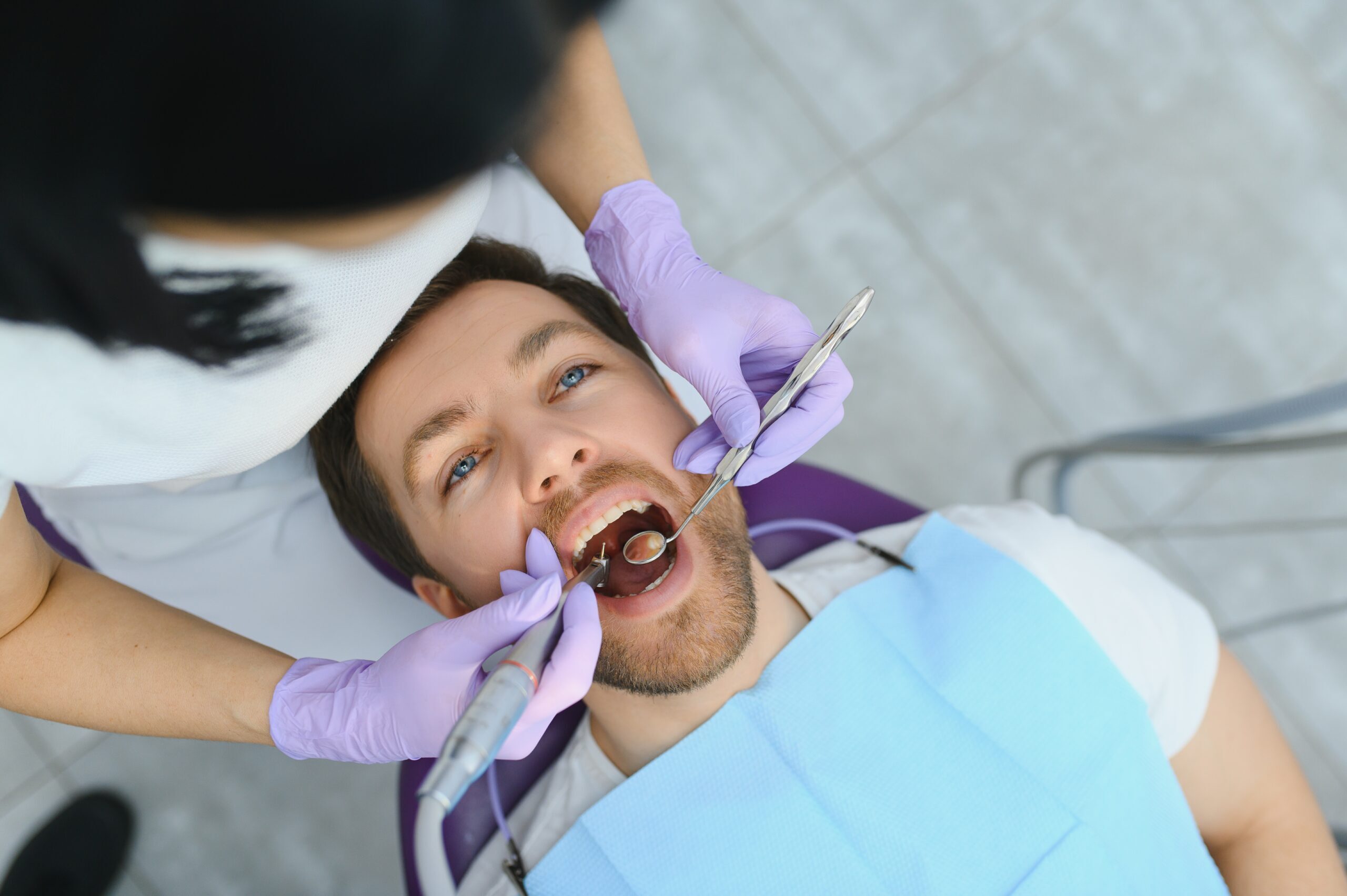
A lot of the anxiety around emergency visits comes from not knowing what to expect. In most cases, the visit starts with getting the pain or bleeding under control first, followed by an assessment — often including imaging — to understand the full extent of the issue. From there, treatment depends entirely on what’s found: sometimes it’s a straightforward fix, other times it requires a follow-up procedure once the initial issue is stabilized.
The goal of an emergency visit isn’t always to solve everything in one sitting. Sometimes it’s simply about managing the immediate problem and setting up the right next steps.
A Note for Edinburg Families
Dental emergencies don’t check the calendar, and here in Edinburg and across the Rio Grande Valley, families often juggle busy schedules between work, school, and long commutes to and from surrounding areas like Alamo, Donna, or San Juan. Knowing ahead of time who to call when something happens — rather than scrambling to search for help in the moment — makes a stressful situation noticeably easier to handle.
It’s worth saving a dental office’s contact information ahead of time, the same way you’d keep an urgent care number handy. That small step can save valuable minutes when it actually matters.
When in Doubt, Make the Call
If you’re dealing with significant pain, swelling, a knocked-out or badly damaged tooth, or bleeding that won’t stop, don’t wait to see if it resolves on its own. A quick call can help determine whether you need to be seen right away, and getting ahead of the problem almost always leads to a better outcome than waiting.
Frequently Asked Questions
What counts as a true dental emergency?
Severe pain, facial swelling, a knocked-out tooth, uncontrolled bleeding, or a badly broken tooth generally qualify as emergencies needing prompt care.
Should I go to the ER or a dentist for a dental emergency?
For most dental issues, a dentist is better equipped to treat the actual problem. The ER is more appropriate for severe swelling affecting breathing or swallowing.
Can a knocked-out tooth really be saved?
Sometimes, especially if it’s handled correctly and you’re seen within about an hour of the injury.
What if I can’t get in the same day?
Call anyway; many practices reserve time for urgent cases and can offer guidance over the phone in the meantime.
Is dental emergency pain always a sign of infection?
Not always, but persistent or worsening pain, especially with swelling, is often a sign that something needs prompt attention.