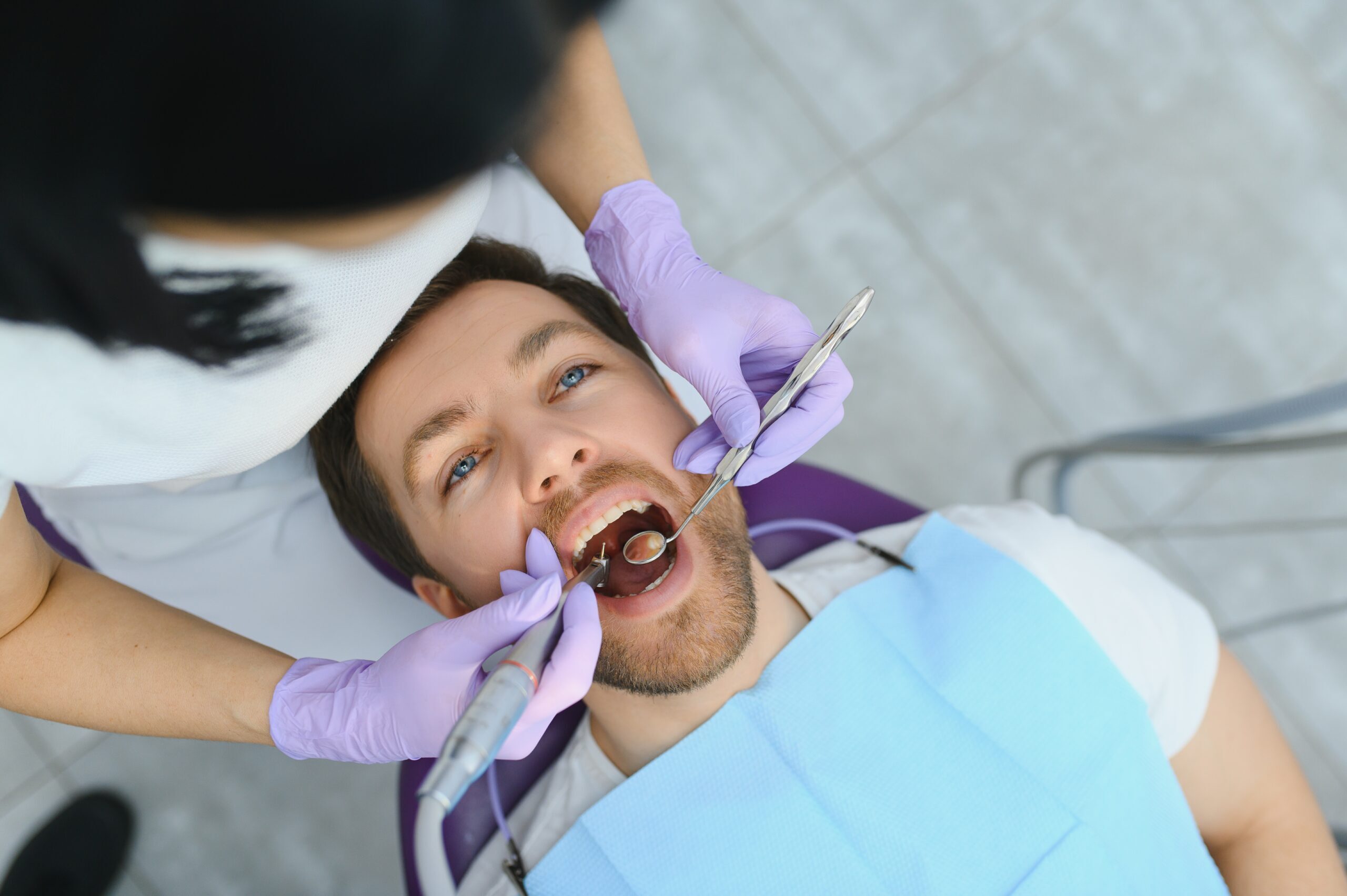

Picking who places a dental implant isn’t quite like picking who cleans your teeth twice a year. It’s a procedure that involves your jawbone, your bite, and a result you’ll be living with for years, which makes the decision feel a lot bigger than a typical dental visit. And yet a lot of people end up choosing based on whoever happens to offer the service, without really asking what separates one provider from another.
This post breaks down what actually matters when comparing options, the questions worth asking before committing, and why the decision deserves a bit more thought than picking the first name that comes up in a search.
Why This Decision Carries More Weight Than It Seems
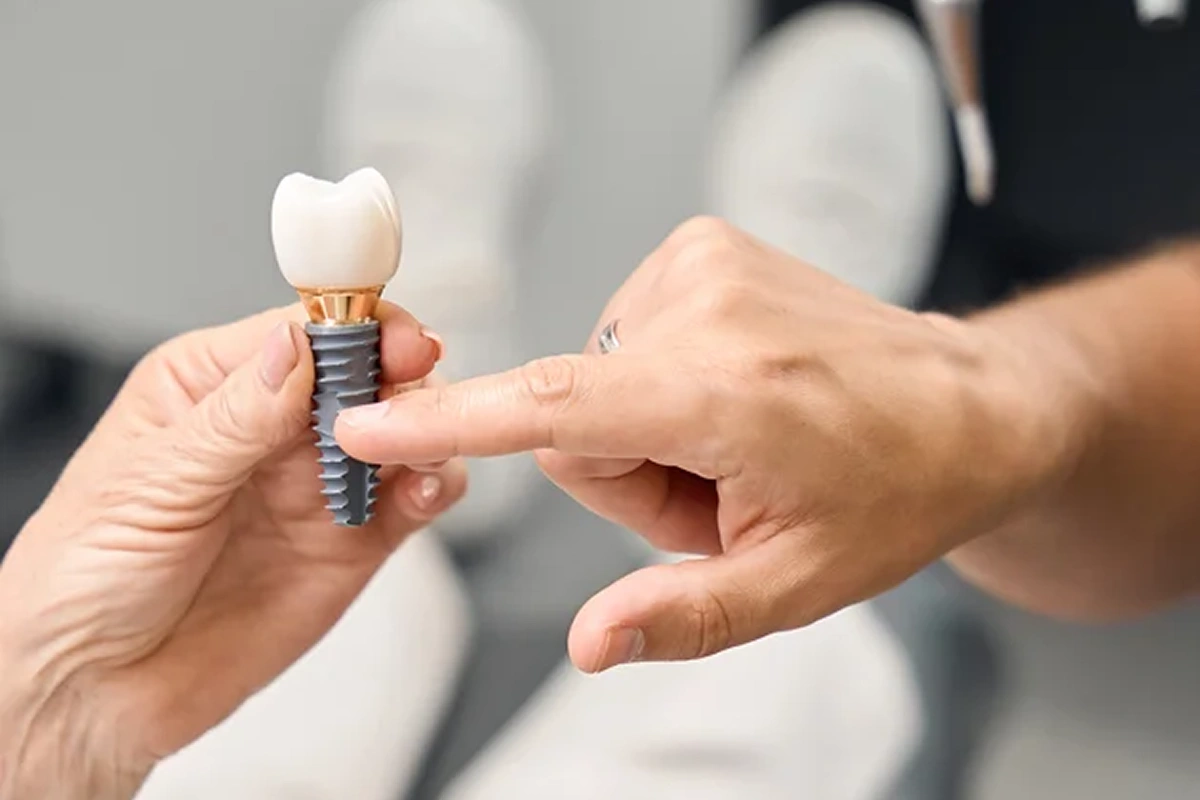
An implant isn’t just a cosmetic fix it’s a small titanium post that needs to be placed at the right depth, angle, and position to eventually fuse with your jawbone. Get that placement slightly off, and it can affect everything from how the final crown looks to how evenly your bite functions years down the road.
This is different from a filling or a cleaning, where minor variation in technique rarely changes the outcome much. With implants, precision at the placement stage has a direct impact on long-term success, which is exactly why the provider’s experience and approach matter as much as the technology being used.
What Actually Separates One Provider From Another
Not every general dentist places implants regularly, and not every practice that offers them treats it as a core focus. Here’s what’s worth paying attention to when comparing options:
- How often they perform the procedure. Frequency tends to correlate with comfort handling more complex cases, like patients needing bone grafting first.
- Whether they specialize in the surrounding structures. Providers with focused training in gum and bone health are often better positioned to catch issues that could affect implant stability.
- How thorough the initial evaluation is. A rushed exam without proper imaging is a red flag. Bone density and gum health both need a real look before any placement is recommended.
- Whether they explain the full timeline honestly. Healing takes time, and a provider who’s upfront about that — rather than rushing you toward a quick fix — is generally more trustworthy.
- How they handle complications or complex cases. Ask what happens if bone density is lower than ideal, or if a previous extraction site needs extra preparation.
Questions Worth Asking at a Consultation
Coming prepared with a few direct questions can tell you a lot about whether a provider is the right fit:
- How many implants do you place in a typical month or year?
- What imaging do you use to plan placement?
- What happens if my bone density isn’t sufficient right now?
- What does the full timeline look like, from placement to final restoration?
- What’s your approach if something doesn’t heal as expected?
A confident, specific answer to each of these is generally a good sign. Vague or overly brief responses are worth noticing too.
Why Specialization Tends to Matter Here
General dentistry covers a wide range of services, which is exactly why some providers refer implant cases to a specialist rather than handling every step themselves. Providers who focus specifically on implants and the surrounding gum and bone health spend more time working through cases that involve bone grafting, sinus considerations, or more complex placements — situations that come up more often than people expect.
Choosing an experienced implant dentist Edinburg patients feel confident in usually comes down to wanting that level of focused attention, rather than treating implant placement as just one more item on a general service list. That’s not a knock on general dentistry — it’s simply a different level of specialization for a procedure where precision has a big impact on the outcome.
A Local Perspective
Across Edinburg and the surrounding Rio Grande Valley, patients often come in after doing some research first, sometimes after talking to a general dentist who recommended a specialist evaluation. Others come in after a less-than-ideal experience elsewhere, wanting a second opinion before moving forward. Both situations are common, and neither one means starting from scratch — it usually just means getting a clear, honest assessment of where things stand.
Families from nearby communities like Mission, McAllen, and Pharr frequently factor in things like appointment flexibility and follow-up scheduling when choosing where to go, especially since the implant process involves more than one visit over several months.
Making a Confident Decision
There’s no need to rush this choice. A consultation is a low-pressure way to get real answers, imaging, an honest evaluation of your bone and gum health, and a straightforward conversation about what your case actually needs. Comparing that experience across a provider or two, if you want to, is a completely reasonable step before committing to treatment.
What matters most is walking away from that first visit with clarity, not just a sales pitch. A good provider will want you to feel confident in the decision, not rushed into it.
Frequently Asked Questions
Does it matter if my provider is a general dentist versus a specialist?
Not always, but for more complex cases involving bone grafting or gum health concerns, a specialist’s focused experience often makes a meaningful difference.
How do I know if a provider has enough experience?
Ask directly how often they place implants and how they handle complications. Clear, specific answers are a good sign.
Is a second opinion a normal thing to ask for?
Yes. Many patients seek a second opinion, especially for a procedure with a timeline spanning several months.
What imaging should I expect during a consultation?
Most thorough evaluations include 3D imaging to assess bone density and plan precise placement.
Should I be concerned if I’ve been told I need bone grafting first?
Not necessarily — it’s a common and well-established step for patients with lower bone density in the area being treated.
If you’re weighing your options for implant treatment, the best next step is a real conversation backed by proper imaging and an honest evaluation. Contact our Edinburg office to schedule your implant consultation and get a clear, personalized answer before making your decision.