
Losing a tooth as an adult hits differently than most people expect. It’s not just about how your smile looks in photos; it changes how confidently you chew, how clearly certain words come out, and sometimes even how you carry yourself in conversations. A lot of people put off dealing with it, hoping the gap won’t matter much. Over time, though, that gap tends to affect more than expected, since neighboring teeth can shift and the jawbone underneath starts to change shape once it’s no longer being used.
The good news is that replacing a missing tooth today looks a lot different than it did even a decade ago. This post walks through what the process actually involves, what to expect if you’re considering it, and how to figure out if it’s the right fit for your situation.
Why an Empty Space Doesn’t Just Stay Empty
Here’s something that surprises a lot of patients: the bone underneath a missing tooth doesn’t just sit there unaffected. Bone tissue needs stimulation from a tooth root to maintain its density, so once that root is gone, the bone in that area gradually begins to shrink. This is part of why someone’s face can look slightly different years after losing several teeth the underlying structure has changed.
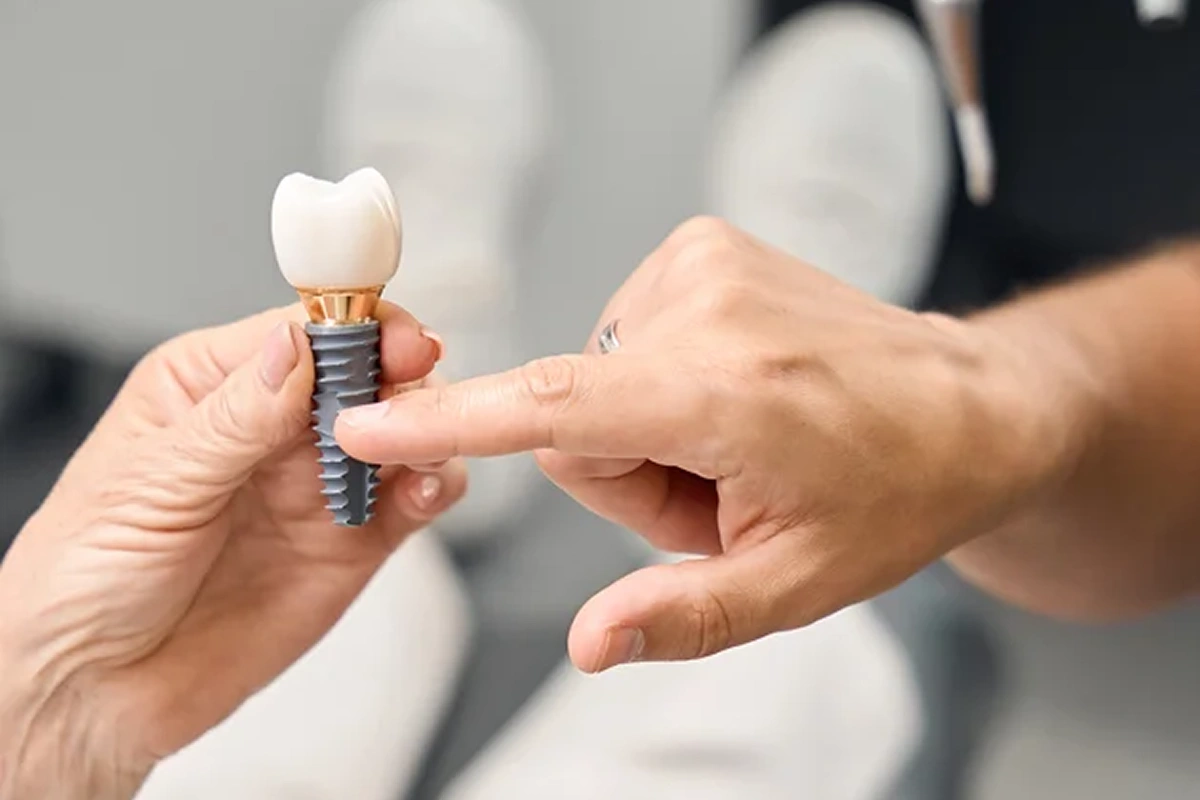
That’s one of the bigger reasons dental implants have become such a common recommendation. Rather than just filling the visible gap, an implant replaces the root itself, which helps maintain the bone structure the way a natural tooth would.
How the Process Actually Works
A lot of hesitation around implants comes from simply not knowing what’s involved. Here’s a general breakdown of what the process typically looks like, step by step:
- Initial evaluation. This includes imaging to assess bone density and health, along with a conversation about your goals and medical history.
- Treatment planning. Based on the imaging, a plan is built around the exact placement, angle, and type of implant that fits your bite and jaw structure.
- Implant placement. A small titanium post is placed into the jawbone, acting as the new root.
- Healing period. Over the following months, the bone gradually fuses with the implant in a process called osseointegration; this is what gives implants their stability.
- Restoration. Once healed, a custom crown, bridge, or denture attachment is placed on top, completing the look and function of a natural tooth.
The full timeline varies depending on bone health and whether any preparatory work — like bone grafting — is needed beforehand. Some patients move through the process in a few months; others, particularly those who’ve been missing a tooth for years, may need a bit more preparation first.
What Makes This Option Different From Others
Compared to bridges or removable dentures, the biggest difference is what happens below the gumline. Bridges rely on adjacent teeth for support, which means those teeth need to be altered even if they were previously healthy. Removable dentures sit on top of the gums without addressing the bone loss underneath, which is part of why they can shift or feel less secure over time.
Choosing dental implants Edinburg patients consider often comes down to wanting a long-term solution that functions and feels close to a natural tooth, without relying on neighboring teeth for support. That said, implants aren’t automatically the right choice for everyone — bone density, gum health, and overall health history all factor into whether it’s a good fit, which is exactly why a proper evaluation matters before assuming any one option is best.
What Patients Usually Want to Know Before Starting
A few questions come up in almost every consultation, so it’s worth addressing them upfront:
- Will it hurt? The placement procedure is done with local anesthesia, and most patients describe recovery discomfort as mild to moderate, similar to a tooth extraction.
- How long does healing take? Osseointegration generally takes a few months, though this varies by individual and by which tooth is being replaced.
- What if I’ve been missing a tooth for years? Bone loss may mean a grafting procedure is needed first to build up enough structure for a stable implant.
- Can I get one implant, or does it need to replace multiple teeth? Both are possible — single implants, multiple implants, or implant-supported bridges and dentures depending on your needs.
A Local Perspective
Tooth loss is more common than people assume, and it isn’t limited to older adults — injuries, untreated decay, and advanced gum disease can all lead to it at almost any age. Here in Edinburg and across the Rio Grande Valley, we see a wide range of patients, from those who lost a tooth recently to others who’ve lived with a gap for years and are finally ready to address it.
One thing that comes up often locally is access to care; patients frequently ask about coordinating visits around work schedules or travel from surrounding communities like Mission, Alamo, or Weslaco. Planning the process out from the first visit helps make the timeline predictable, rather than open-ended.
Making the Decision
If you’ve been living with a missing tooth and wondering whether it’s worth addressing now versus later, the honest answer is that earlier is almost always simpler. Waiting longer generally means more bone loss, which can mean more preparation work before an implant becomes possible. That doesn’t mean it’s too late if you’ve waited a while; it just means the evaluation becomes even more important for mapping out the right approach.
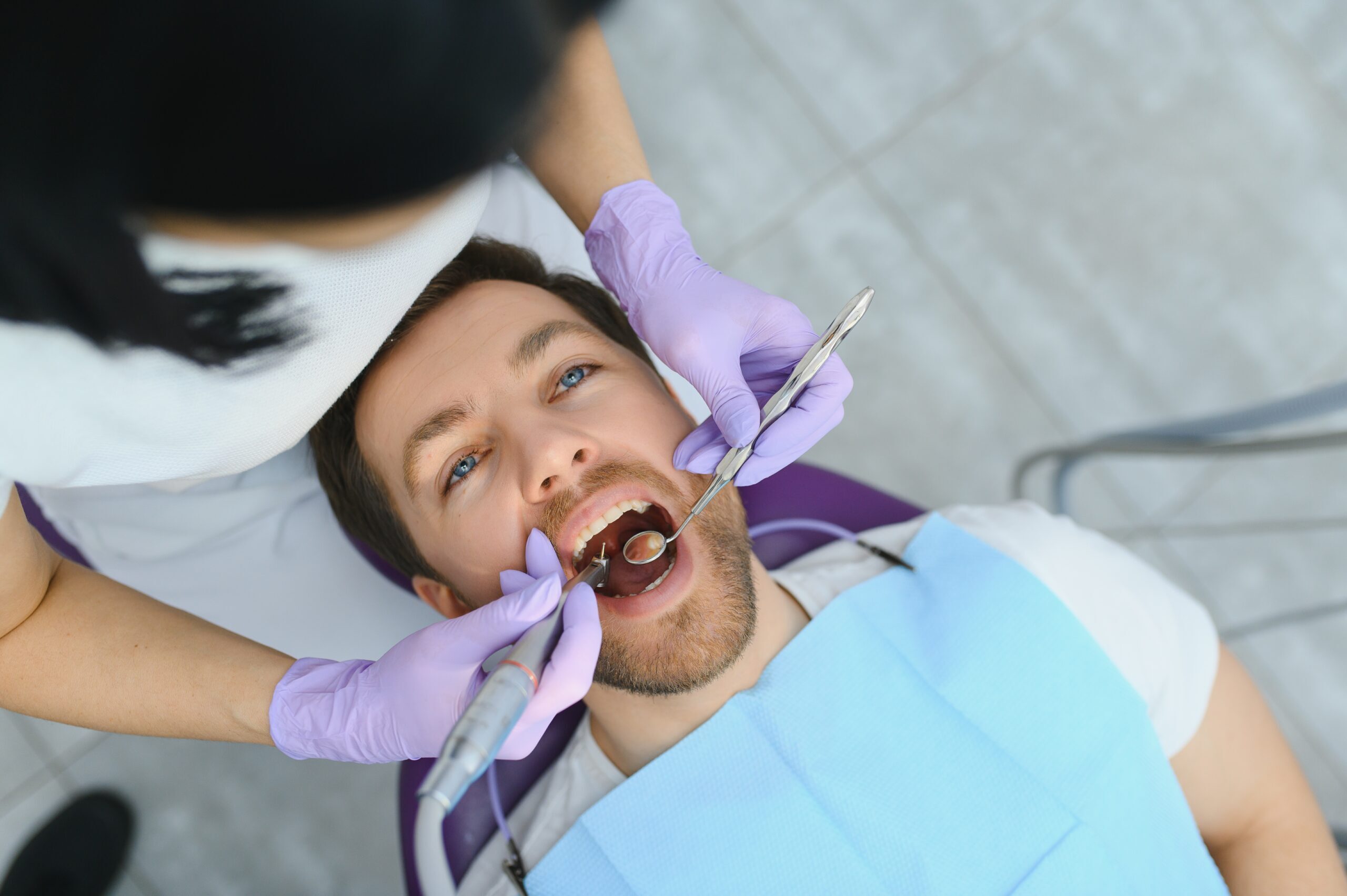
A consultation is really just a conversation and an imaging appointment. It gives you a clear, personalized answer instead of general information pulled from the internet, and it’s the only real way to know what your specific situation calls for.
Frequently Asked Questions
How long do dental implants typically last?
With proper care, implants are designed to last many years, often decades, though individual results vary based on oral hygiene and overall health.
Am I too old or too young for an implant?
Age alone isn’t usually a deciding factor. What matters more is bone health, gum condition, and overall jaw development.
Is the recovery process long?
Initial recovery from placement is typically a few days. Full healing before the final restoration takes longer, generally a few months.
Do implants require special care?
They’re cared for much like natural teeth: regular brushing, flossing, and checkups. No special products are usually required.
What happens if I’m missing several teeth, not just one?
Multiple implants or an implant-supported bridge or denture can address several missing teeth at once, depending on your specific case.
If you’ve been considering how to address a missing tooth, the best next step is a straightforward conversation about your options. Reach out to our Edinburg office to schedule your implant consultation and get a clear picture of what your path forward could look like.