
Most people don’t think much about their gums until something feels off. A little bleeding here, some tenderness there it’s easy to write it off as a rough night’s flossing or a toothbrush that’s too stiff. But gum tissue doesn’t usually act up for no reason, and the earlier those signals get checked out, the simpler the fix tends to be.
If you’ve been noticing changes in your mouth lately and you’re not sure whether it’s worth a phone call, this one’s for you. We’ll walk through the warning signs worth paying attention to, why they happen, and what your options look like if something needs attention.
Why Gum Health Gets Overlooked
Cavities get a lot of attention: grow up, brush your teeth, avoid sugar, don’t skip the dentist. Gum health rarely gets the same spotlight, even though it plays just as big a role in whether your teeth stay put over the long run.
The tricky part is that gum disease is often painless in its early stages. There’s no sharp ache to send you running to the phone. Instead, it shows up in smaller, easier-to-ignore ways: a little pink in the sink after brushing, gums that look slightly puffier than usual, or breath that doesn’t quite clear up no matter how much you brush.
By the time discomfort actually shows up, the disease has often been progressing quietly for a while. That’s the main reason a periodontist Edinburg patients are referred to tends to see people at very different stages; some catch things early, others come in once the damage is already affecting the bone underneath.
Signs Worth Paying Attention To
Here are the changes that deserve a closer look, rather than a wait-and-see approach:
- Bleeding when you brush or floss. Occasional bleeding from a new flossing habit is normal for a few days. Bleeding that continues past a week or two usually isn’t.
- Gums that look red, swollen, or shiny. Healthy gum tissue is generally pale pink and firm. Swelling and discoloration often point to inflammation.
- Persistent bad breath. Bacteria buildup below the gumline can cause an odor that doesn’t go away with brushing or mouthwash alone.
- Gums that appear to be pulling back. If teeth look longer than they used to, or you notice more of the tooth root showing, that’s gum recession.
- Teeth that feel slightly loose. This is a later-stage sign and usually means the supporting bone has started to weaken.
- Sensitivity to hot or cold that’s new. Once gums recede, the exposed root surface is more sensitive than enamel.
None of these signs on their own mean something serious is happening. But a combination of a few, especially if they’ve been sticking around for weeks, is a good reason to get things looked at rather than waiting for them to resolve on their own.
What Actually Happens at an Evaluation
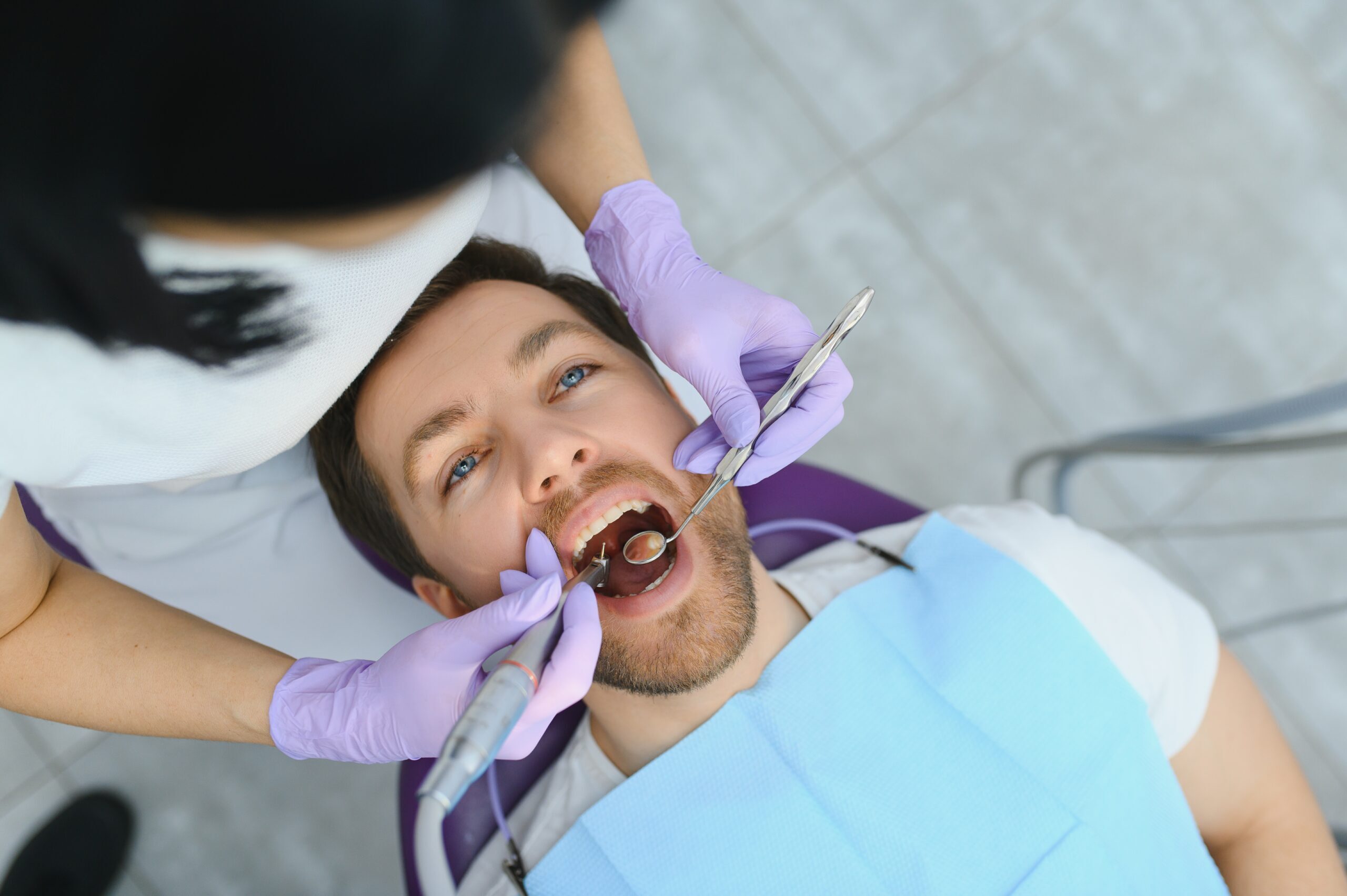
A lot of people put off making an appointment because they’re not sure what to expect, so here’s the short version. A gum evaluation usually starts with measuring the space between your teeth and gums at several points around each tooth. This tells us whether pockets have formed, which is one of the clearest indicators of gum disease progression. From there, we take a look at bone levels using imaging, check for any areas of recession, and talk through your daily habits and any symptoms you’ve noticed.
From that point, treatment plans vary a lot depending on what’s found. Some patients just need a deeper cleaning below the gumline. Others may need a more involved approach if the disease has progressed further. The goal is always to catch things at the earliest stage possible, since early-stage gum disease is usually much simpler to manage than something that’s been left alone for years.
Why This Matters More Than People Realize
Gum disease isn’t just about the gums themselves. Left untreated, it gradually affects the bone that holds your teeth in place, which is why untreated cases can eventually lead to tooth loss not from decay, but from the foundation underneath simply weakening. It’s also been linked in research to broader health factors, which is part of why dental professionals take it seriously beyond just cosmetic concerns.
The good news is that gum disease is one of the more manageable dental issues when it’s caught early. A lot of patients are surprised at how much of a difference a proper cleaning and a consistent home routine can make once the early inflammation is addressed.
A Note for Edinburg Residents
Here in the Rio Grande Valley, dental habits and diet often overlap in ways that make gum health worth keeping an eye on — sugary drinks and traditional dishes rich in flavor are part of daily life for a lot of families, and that’s completely fine with the right care routine in place. What matters is staying consistent with checkups rather than only showing up once something already hurts.
Whether you’re coming from Edinburg itself or driving in from nearby areas like McAllen, Pharr, or Mission, getting a gum evaluation doesn’t need to be a complicated process. Most first visits are straightforward, and you’ll leave with a clear picture of where things stand.
When It’s Time to Make the Call
If you’ve noticed any combination of bleeding, swelling, recession, or looseness that’s lasted more than a couple of weeks, that’s generally the point where it makes sense to get things checked rather than waiting longer. Gum tissue tends to respond well to timely care, but the longer inflammation sits unaddressed, the more it can affect the bone underneath.
Booking an evaluation is a low-pressure first step it gives you real answers instead of guessing based on what you read online, and it puts you in a much better position to catch anything early.
If it’s been a while since your gums were properly evaluated, or something has felt off lately, it’s worth getting a professional opinion rather than waiting it out. Call our Edinburg office today to schedule your gum health evaluation a short visit now can save a lot of hassle down the road.
Frequently Asked Questions
Is bleeding when I brush always a sign of gum disease? Not always, but it’s one of the earliest and most common signs. If it lasts more than a week or two, it’s worth getting checked.
Can gum disease be reversed? Early-stage gum disease (gingivitis) is often reversible with proper cleaning and home care. Later stages can be managed but not fully reversed.
Does gum treatment hurt? Most deeper cleanings are done with local numbing, so discomfort during the procedure is minimal. Some tenderness afterward is normal for a day or two.
How often should I get my gums checked? Most people benefit from a checkup every six months, though those with a history of gum issues may need more frequent visits.
Will I need surgery if I have gum disease? Not necessarily. Many cases are managed with non-surgical deep cleanings. Surgery is typically reserved for more advanced cases.