

Somewhere around the late teens or early twenties, a lot of people start noticing something odd happening in the very back of their mouth — pressure, tenderness, or a tooth that seems to be coming in sideways instead of straight up. That’s usually your wisdom teeth making their debut, and for a large percentage of people, they cause more trouble than they’re worth.
Wisdom teeth aren’t inherently a problem. Some people have plenty of room and never need them removed. But for many others, these last molars come in impacted, crowded, or angled in a way that threatens the health of the surrounding teeth. Here’s how to know if yours are one of the ones that needs to come out.
Signs Your Wisdom Teeth May Need to Go
- Persistent pain or pressure toward the back of your jaw
- Swelling or tenderness in the gums near your back molars
- Difficulty opening your mouth fully or chewing comfortably
- Bad breath or an unpleasant taste that won’t go away, even with good hygiene
- Crowding or shifting in your front teeth, especially if you’ve previously had braces
- Visible signs of a tooth only partially breaking through the gum
If you’re dealing with more than one of these, it’s a good sign your wisdom teeth are causing more disruption than they should.
Why Timing Matters More Than Most People Realize
There’s a reason most dentists recommend evaluating wisdom teeth in your late teens rather than waiting until your thirties or forties. Younger patients typically have roots that haven’t fully developed and bone that’s still somewhat flexible, both of which make extraction easier and recovery faster.
Waiting longer doesn’t necessarily mean extraction becomes impossible, but it usually means a longer, more involved recovery. It can also mean more damage has already occurred to nearby teeth by the time the issue is addressed.
What Actually Happens During the Procedure
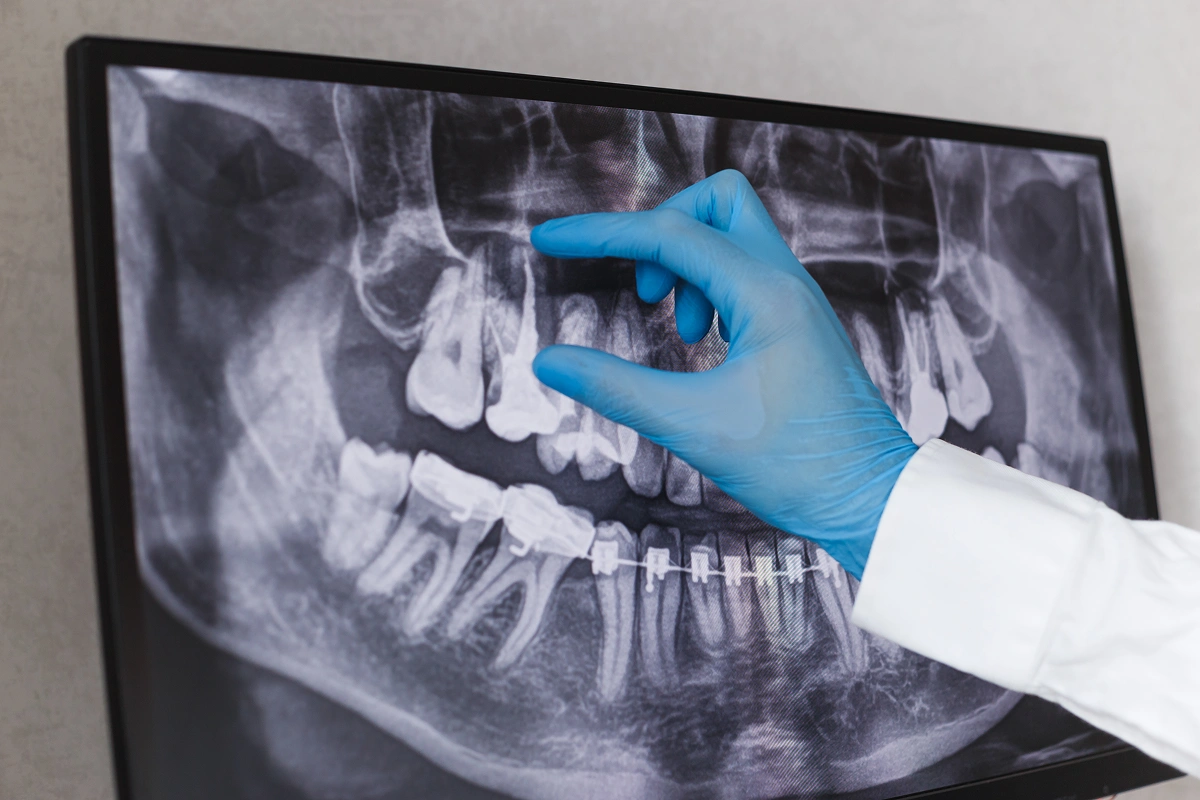
The process is more straightforward than most patients expect. If you’re considering wisdom tooth extraction in Edinburg, your initial consultation will start with an X-ray to show the exact position of your wisdom teeth and whether they’re impacted (stuck under the gum or bone) or have already partially or fully erupted.
On the day of the procedure:
- Local anesthesia, sedation, or a combination will be used depending on the complexity of the extraction and your comfort level
- The tooth is carefully removed, sometimes in small sections if it’s impacted
- Stitches may be placed depending on the extraction site
- You’ll be given specific aftercare instructions before heading home
Most extractions are completed within the same appointment, and many patients are surprised at how quick and manageable the actual procedure feels.
Recovery: What to Expect Day by Day
Day 1–2: Mild swelling and tenderness are normal. Stick to soft foods like yogurt, mashed potatoes, and smoothies, and use a cold compress to manage swelling.
Day 3–4: Swelling typically starts to improve. Continue avoiding hard, crunchy, or spicy foods, and stay away from using straws, which can disrupt healing.
Day 5–7: Most patients feel significantly better by this point, though full healing of the gum tissue can take a few weeks.
Following your dentist’s aftercare instructions closely — particularly around avoiding smoking and rinsing gently rather than aggressively — makes a noticeable difference in how quickly and smoothly you recover.
A Local Note for Edinburg Patients
Recovery in the Rio Grande Valley’s heat takes a bit of extra planning. Staying hydrated is especially important post-extraction, but with summer temperatures often climbing well past 95 degrees, it’s worth sticking to cool, non-carbonated drinks rather than anything ice-cold that could irritate the extraction site. Planning your procedure around a few days when you can rest indoors, away from the heat, tends to make for a much more comfortable recovery.
Frequently Asked Questions
At what age should wisdom teeth typically be evaluated? Most dentists recommend an evaluation between ages 17 and 25, when roots are still developing and extraction tends to be easier.
Does every impacted wisdom tooth need to be removed? Not necessarily, but impacted teeth are monitored closely since they carry a higher risk of infection, crowding, and cyst formation over time.
How long does recovery typically take? Most people feel back to normal within a week, though complete healing of the gum tissue can take several weeks longer.
Is the procedure painful? The extraction itself is performed under anesthesia or sedation, so discomfort during the procedure is minimal. Some soreness afterward is normal and manageable with prescribed or over-the-counter pain relief.
Can I go back to work or school the next day? It depends on the complexity of your extraction and your individual recovery, but many patients take at least one to two days off to rest and manage initial swelling.
Ready to Stop Living With the Discomfort?
If your wisdom teeth have been causing pain, pressure, or crowding, putting off the decision usually just means dealing with more discomfort down the road. Getting evaluated early gives you more options and an easier recovery.
Schedule your consultation today to find out whether it’s time for yours to come out.