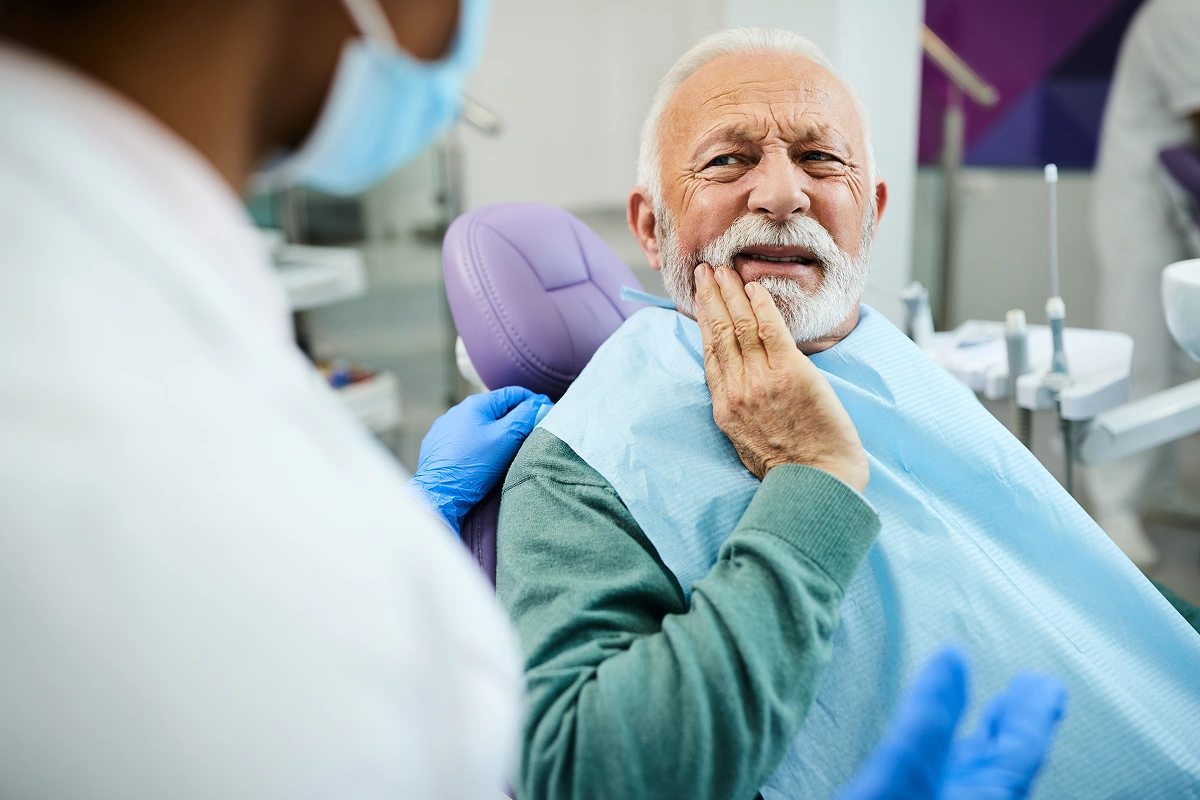


Losing a tooth is about more than aesthetics. While many people are concerned about the appearance of gaps in their smile, missing teeth can also affect the way they speak, chew, and maintain their overall oral health.
Whether you’ve lost one tooth due to injury, gum disease, or decay, or you’re missing multiple teeth, the effects often extend beyond what you see in the mirror. Everyday activities such as enjoying your favorite foods, speaking clearly, and even maintaining proper jaw function can become more difficult over time.
For patients in Edinburg, TX, understanding the consequences of tooth loss is often the first step toward finding a long-term solution that restores both function and confidence.
How Do Missing Teeth Affect Your Mouth?
Each tooth plays a specific role in supporting your bite, jaw alignment, and overall oral function. When a tooth is lost, the remaining teeth and supporting structures must compensate for the missing space.
As a result, patients may experience:
- Difficulty chewing certain foods
- Changes in speech patterns
- Increased pressure on remaining teeth
- Jawbone deterioration
- Shifting of nearby teeth
- Changes in facial appearance
These issues can develop gradually, making them easy to overlook until they begin affecting daily life.
Can Missing Teeth Affect the Way You Speak?
Yes, Missing Teeth Can Change Speech Patterns
Many sounds we make depend on the interaction between the tongue, lips, and teeth. When teeth are missing, particularly front teeth, it can alter the way air flows through the mouth during speech.
This often affects sounds such as:
- S
- Z
- F
- V
- T
- TH
Without proper support from the teeth, words may sound different, and some patients develop a slight lisp or have difficulty pronouncing certain sounds clearly.
Why Front Teeth Matter for Speech
The front teeth act as important guides for the tongue during speech. When one or more of these teeth are missing, the tongue may struggle to find its normal position.
This can lead to:
- Slurred pronunciation
- Difficulty speaking clearly
- Repeating words more often
- Reduced confidence during conversations
Many people notice these changes shortly after losing a tooth, especially if the missing tooth is located near the front of the mouth.
How Missing Teeth Affect Chewing
Reduced Biting and Chewing Efficiency
Your teeth work together to break food into smaller pieces that can be swallowed and digested comfortably.
When teeth are missing, chewing becomes less efficient because there is less surface area available to process food properly.
Patients often find it difficult to eat:
- Steak and other meats
- Raw vegetables
- Apples
- Nuts
- Hard breads
- Crunchy snacks
As a result, many people begin avoiding nutritious foods that require more chewing.
Uneven Pressure on Remaining Teeth
When a gap exists in the smile, the remaining teeth often absorb more force than they were designed to handle.
Over time, this additional pressure can contribute to:
- Tooth wear
- Cracks
- Bite imbalances
- Jaw discomfort
The longer a missing tooth remains untreated, the greater the likelihood of these complications developing.
The Hidden Effects of Missing Teeth
Jawbone Loss
One of the most significant consequences of tooth loss occurs beneath the surface.
Natural tooth roots stimulate the jawbone whenever you chew. Once a tooth is lost, that stimulation disappears.
The body begins to resorb bone in the area where the tooth once existed.
Over time, jawbone loss can lead to:
- Reduced bone volume
- Changes in facial structure
- Sunken facial appearance
- Difficulty supporting replacement teeth
Many patients are surprised to learn that bone loss can begin within months after a tooth is lost.
Shifting Teeth
Teeth naturally move toward empty spaces.
When a missing tooth is not replaced, neighboring teeth may drift into the gap, creating alignment problems that can affect both appearance and function.
This movement can cause:
- Crowding
- Bite issues
- Increased plaque buildup
- Difficulty cleaning between teeth
Increased Risk of Gum Problems
Misaligned teeth created by tooth loss can be harder to clean effectively. This may increase the risk of:
- Gum disease
- Tooth decay
- Inflammation
- Additional tooth loss
Why Replacing Missing Teeth Matters
Restoring Function
Replacing missing teeth helps restore the ability to chew efficiently and speak clearly.
Many patients report immediate improvements in comfort and confidence after replacing lost teeth.
Protecting Oral Health
Tooth replacement helps prevent:
- Bone loss
- Tooth shifting
- Bite changes
- Additional dental complications
Addressing tooth loss early often leads to better long-term outcomes.
Are Dental Implants the Best Solution for Missing Teeth?
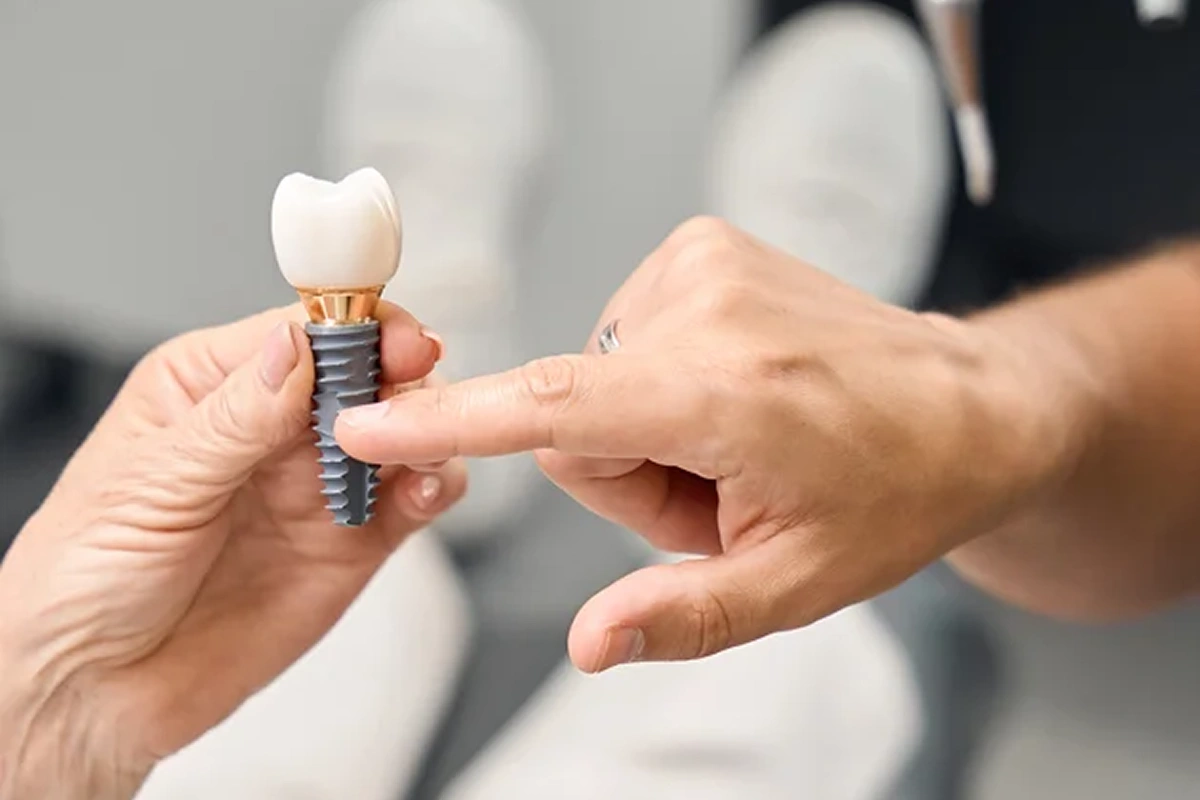
For many adults, dental implants are considered the most advanced tooth replacement option available.
Unlike traditional solutions that replace only the visible portion of the tooth, implants replace both the tooth root and crown.
This allows them to function similarly to natural teeth.
Benefits of dental implants include:
- Natural appearance
- Improved chewing power
- Better speech clarity
- Long-term durability
- Jawbone preservation
- Enhanced comfort and stability
Patients interested in learning more about dental implants often discover that implants provide one of the closest replacements to natural teeth currently available.
Dental Implants and Jawbone Health
One reason implants are often recommended by periodontal specialists is their ability to help preserve jawbone structure.
Because implants are placed directly into the jawbone, they continue to provide stimulation similar to a natural tooth root.
This helps reduce the bone loss that commonly follows tooth extraction.
For many patients throughout Edinburg and the Rio Grande Valley, this benefit plays an important role in maintaining long-term oral health and facial support.
When Should You Consider Replacing Missing Teeth?
The best time to explore treatment is often sooner rather than later.
You may benefit from an evaluation if you experience:
- Difficulty chewing
- Changes in speech
- Missing one or more teeth
- Loose dentures
- Shifting teeth
- Jaw discomfort
- Concerns about bone loss
Early intervention can help prevent additional complications and expand your treatment options.
Restore Your Smile, Speech, and Confidence
Missing teeth can affect much more than your appearance. From making it harder to enjoy meals to impacting speech and jaw health, tooth loss often has far-reaching consequences that worsen over time.
At Cornerstone Periodontics & Implant Dentistry, patients throughout Edinburg, McAllen, and the Rio Grande Valley receive advanced solutions designed to restore both function and confidence. If you’re ready to explore your options for replacing missing teeth, call (956) 539-2501 today to schedule a consultation.
FAQs
Can one missing tooth affect the way I speak?
Yes. Even a single missing tooth, especially a front tooth, can affect pronunciation and alter the way certain sounds are produced during speech.
Why is chewing harder after losing a tooth?
Missing teeth reduce the efficiency of your bite and force remaining teeth to work harder. This can make it difficult to chew tougher foods comfortably.
Do missing teeth cause bone loss?
Yes. When a tooth is lost, the jawbone in that area no longer receives stimulation from the tooth root, which can lead to gradual bone deterioration.
Are dental implants better than leaving a gap?
In most cases, replacing a missing tooth helps prevent bone loss, shifting teeth, and bite problems. Dental implants are often considered one of the most effective long-term solutions.
How soon should I replace a missing tooth?
It’s generally best to seek treatment as soon as possible. Early replacement can help preserve bone, maintain tooth alignment, and reduce future complications.