

Building the Foundation for a Stronger, Lasting Smile
A sinus lift is a specialized bone grafting procedure that creates the bone volume needed to support dental implants in the upper jaw. At Cornerstone Periodontics and Implant Dentistry, we perform sinus lifts for patients who have experienced bone loss in the back of the upper jaw or whose sinuses sit too close to the jaw to allow for safe implant placement. If you've been told you don't have enough bone for implants, a sinus lift may be the solution that makes your restoration possible.
When is a Sinus Lift Needed
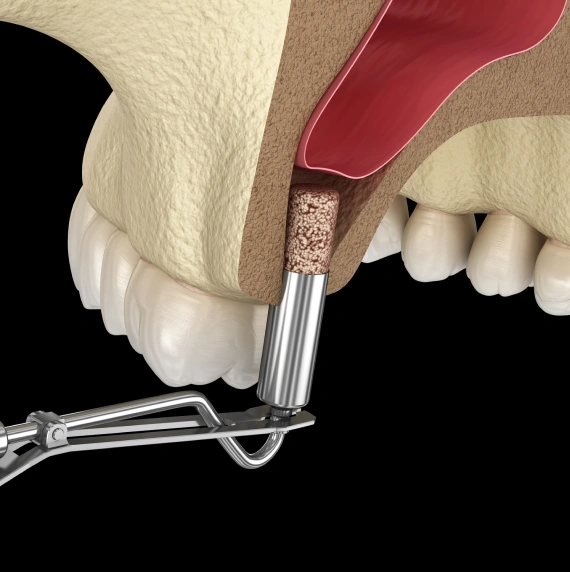
The maxillary sinuses are air-filled cavities located just above the upper back teeth. When upper teeth are lost, the jawbone in that area can deteriorate over time, and the sinus cavity can expand downward, leaving insufficient bone height for implant placement. A sinus lift, also called a sinus augmentation, addresses this by lifting the sinus membrane upward and placing bone graft material in the space below it. Over time, the graft fuses with the existing bone, creating a stable, dense foundation strong enough to support one or more dental implants.
You may need a sinus lift if you:
- Have experienced bone loss in the upper jaw due to missing teeth or gum disease
- Have a naturally low sinus floor that leaves little room for implant posts
- Are missing multiple upper back teeth and need a solid foundation for implant-supported restorations
- Have been previously told you are not a candidate for upper jaw implants due to inadequate bone
How Sinus Lift Surgery Supports Implant Stability
Without adequate bone support, dental implants cannot integrate properly and are at risk of failure. A sinus lift restores the bone volume needed to make implant placement safe and successful. This procedure helps:
- Create sufficient bone height for secure implant placement in the upper jaw
- Prevent further bone deterioration in areas of tooth loss
- Expand candidacy for dental implants in patients previously turned away
- Support long-term implant stability and full chewing function
- Preserve the natural structure and contour of the upper jaw
What to Expect During a Sinus Lift
The first step is a thorough evaluation using 3D cone beam imaging to assess your bone levels, sinus anatomy, and overall jaw structure. This imaging allows us to plan the procedure precisely and determine the right amount of graft material needed. During the procedure, you can expect the following:
- Access and Membrane Elevation: A small opening is made in the gum tissue near the upper back teeth to access the underlying bone. A gentle opening is created in the bone, and the sinus membrane is carefully lifted upward.
- Bone Graft Placement: Graft material, which may be derived from your own bone, donor bone, or a biocompatible synthetic material, is placed in the space created beneath the lifted membrane.
- Healing and Integration: The graft material is given time to fuse with your existing bone, a process that typically takes several months. Once healing is confirmed, implant placement can proceed.
- Implant Placement: After sufficient bone integration has occurred, dental implants are placed into the newly built-up bone for a stable, long-term foundation.
Ready to Find Out if a Sinus Lift is Right for You
If you've been told you don't have enough bone for dental implants in the upper jaw, don't count yourself out. A sinus lift can restore the bone volume you need and put implants back on the table. At Cornerstone Periodontics and Implant Dentistry, our team will evaluate your bone levels, walk you through your options, and create a treatment plan tailored to your anatomy and goals.

Frequently Asked Questions
How do I know if I need a sinus lift before getting dental implants?
During your implant consultation, we use 3D imaging to measure your available bone height in the upper jaw. If the measurement falls below the minimum needed for safe implant placement, a sinus lift will be recommended. This is a common finding in patients who have been missing upper back teeth for an extended period, as bone loss in that area tends to progress over time.
Is a sinus lift a painful procedure?
The procedure is performed under local anesthesia, and IV sedation is available for patients who prefer a more relaxed experience. Most patients report minimal discomfort during the surgery itself. Some swelling, mild soreness, and minor nasal congestion are normal in the days following the procedure and are manageable with prescribed medication and proper aftercare.
How long does it take to heal after a sinus lift?
Healing typically takes between four and nine months before the area is ready for implant placement. The timeline depends on the amount of bone needed and how well the graft integrates with your existing bone. We monitor your healing closely with follow-up visits and imaging to confirm when you're ready for the next step.
Can a sinus lift and dental implant placement be done at the same time?
In some cases, yes. If there is enough existing bone height to provide initial implant stability, we may be able to place the graft and the implant during the same procedure. However, if bone levels are significantly low, a staged approach — completing the sinus lift first and allowing full healing before implant placement — is the safer and more reliable option. We will determine the best approach based on your imaging and individual anatomy.
Are there any risks associated with a sinus lift?
Sinus lifts are well-established procedures with a strong track record of success when performed by an experienced specialist. The most common concern is perforation of the sinus membrane during surgery, which can be repaired immediately in most cases. Other rare risks include infection or graft failure. Choosing a qualified specialist and following all post-operative instructions significantly reduces these risks.