

Restore Healthy Gums and Improve Your Smile
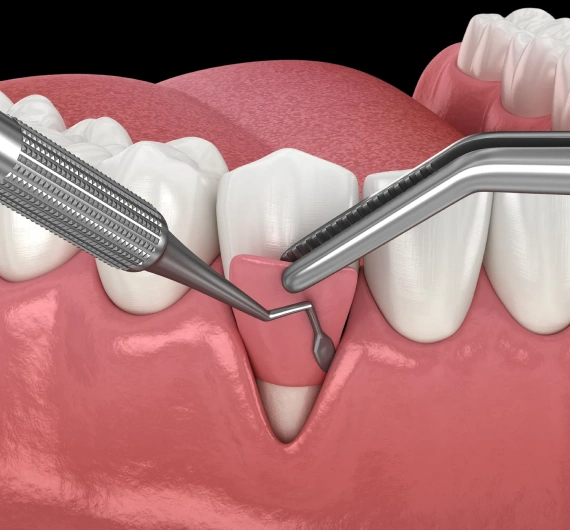
A connective tissue graft is a periodontal procedure designed to treat gum recession, a common issue that can cause tooth sensitivity and negatively affect the appearance of your smile. In order to protect your teeth, restore gum tissue, and improve your general oral health, we at Cornerstone Periodontics and Implant Dentistry specialize in performing connective tissue grafts. By preventing additional gum loss and enhancing tooth stability, this minimally invasive procedure can help you keep your smile confident and healthy.
What is a Connective Tissue Graft
A connective tissue graft involves taking healthy tissue from the roof of the mouth (palate) and grafting it to the area where the gums have receded. This procedure is highly effective for restoring lost gum tissue and covering exposed tooth roots, which can cause increased sensitivity to hot, cold, and sweet foods. The grafted tissue helps promote healing and strengthens the gumline, providing long-term protection for your teeth.
This procedure not only improves the appearance of your gums but also plays a vital role in preventing further gum recession, bone loss, and tooth instability.
How Connective Tissue Grafts Improves Your Oral Health
Connective tissue grafts offer multiple benefits for your gum health and overall smile:
- Restores Gum Tissue: Covers exposed tooth roots and thickens the gum tissue for improved protection.
- Prevents Further Gum Recession: Reduces the risk of future gum recession and tooth sensitivity.
- Improves Aesthetics: Enhances the appearance of the smile by creating a more balanced and youthful gumline.
- Supports Long-Term Oral Health: Helps preserve the health of your teeth and jawbone by preventing further gum loss and potential tooth loss.
How Connective Tissue Graft Procedure Works
The connective tissue graft procedure begins with a thorough examination of your gums and oral health. We use digital imaging and a gentle assessment to determine the extent of gum recession and identify the best treatment plan for you.
The procedure is typically performed under local anesthesia, ensuring that you remain comfortable throughout. Here's an overview of the process:
- Tissue Harvesting: A small amount of tissue is taken from the roof of your mouth.
- Grafting: The harvested tissue is carefully placed in the area where gum recession has occurred.
- Stitching and Healing: The grafted tissue is sutured in place, and the healing process begins.
The procedure generally takes about an hour, depending on the size of the graft area. After the procedure, you will be given detailed aftercare instructions to ensure proper healing and minimize discomfort.

Frequently Asked Questions
What is a connective tissue graft?
A connective tissue graft is a procedure to treat gum recession by taking healthy tissue from the roof of the mouth and grafting it to the area where the gums have receded, restoring gum coverage and improving tooth stability.
Why do I need a connective tissue graft?
Gum recession can expose tooth roots, leading to sensitivity and an increased risk of tooth decay or loss. A connective tissue graft restores the gum tissue to protect the exposed roots and prevent further gum loss.
Is the connective tissue graft procedure painful?
The procedure is performed under local anesthesia, so you should feel little to no discomfort during the grafting process. Afterward, some swelling or tenderness may occur, but this can be managed with pain relief as advised by our team.
How long does the recovery take after a connective tissue graft?
Recovery varies by individual, but most patients experience healing within 1-2 weeks. Full recovery, including the complete healing of the graft, can take 3-6 months. Following our aftercare instructions helps ensure proper healing.
Are there any risks involved with a connective tissue graft?
As with any surgical procedure, there are minor risks such as infection, swelling, or graft rejection. However, these complications are rare, and we take every measure to ensure the procedure is performed safely and effectively.